
The day I called to inquire about an installation, Kyle showed up within hours! (Other HVACs had weeks long waiting lists for preliminary review.) In less than 10 days my unit was installed. Kyle and Jeff were polite and did a great job. I feel like I made two new friends during the process. It could not have been any easier. I’m looking forward to a warm winter and central A/C next summer.
What We Do
Air Quality – ERVs / HRVs
Fresh Air for Tightly Built Homes
A well-insulated, well-sealed home is great for your energy bills — and not so great for fresh air. Older homes “breathed” through gaps and cracks that newer construction has sealed up for good reason. The trade-off is that stale air, moisture, and indoor pollutants have nowhere to go without help.
That’s where an ERV (Energy Recovery Ventilator) or HRV (Heat Recovery Ventilator) comes in. These systems continuously exchange stale indoor air for fresh outdoor air, while capturing the heat. ERV’s prevent the air leaving your home so you’re not losing comfort or paying to heat the outdoors.
WHY INDOOR AIR QUALITY MATTERS
Tight homes need a way to breathe.
- 24/7 Continuous fresh air exchange, not just when a window's open.
- Heat recovered Outgoing air pre-warms incoming air before it ever reaches you.
- Lower humidity issues Reduces the moisture buildup that leads to mold and condensation.
- Better IAQ Fewer trapped pollutants, allergens, and stale air.
Not every home needs the same solution. An HRV focuses purely on recovering heat, which works well for colder, drier conditions. An ERV recovers both heat and moisture, which can help balance humidity through New England's swampy summers and dry winters alike. Seacoast Heat Pumps evaluates your home's construction, humidity patterns, and ventilation needs to recommend the system that actually fits — not just the one that's easiest to sell.
Breathe Easier in a Home That's Built Tight
Modern construction techniques — better insulation, sealed windows, tighter building envelopes — keep conditioned air where it belongs. The downside is that without a dedicated ventilation strategy, that same airtightness traps moisture, cooking odors, VOCs, and everyday indoor pollutants inside with nowhere to go.
ERVs and HRVs solve this by mechanically exchanging indoor air for outdoor air on a continuous basis, while recovering the energy that would otherwise be lost in the process. The result is fresher indoor air without a spike in your heating or cooling bills. Which system makes more sense for your home comes down to your home’s specific humidity profile and how it’s built — which is exactly what we evaluate before recommending one.
When you work with us, you’re getting a system matched to your home’s actual ventilation needs, a clean and correctly sized installation, and air that feels noticeably fresher without the energy penalty.
We handle the whole project:
- Ventilation assessment to evaluate your home’s airtightness and humidity needs
- System selection between ERV and HRV based on what your home actually needs
- Professional installation integrated cleanly with your existing ductwork or as a standalone system
- Ongoing maintenance to keep filters and components performing as designed
RECENT PROJECTS
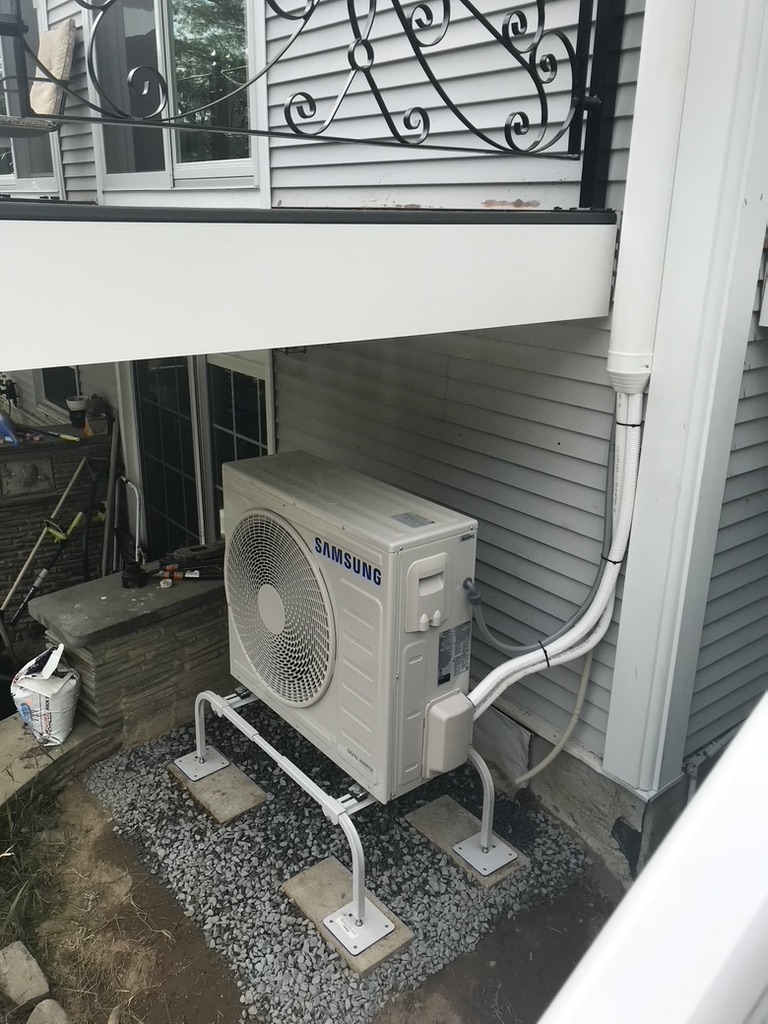
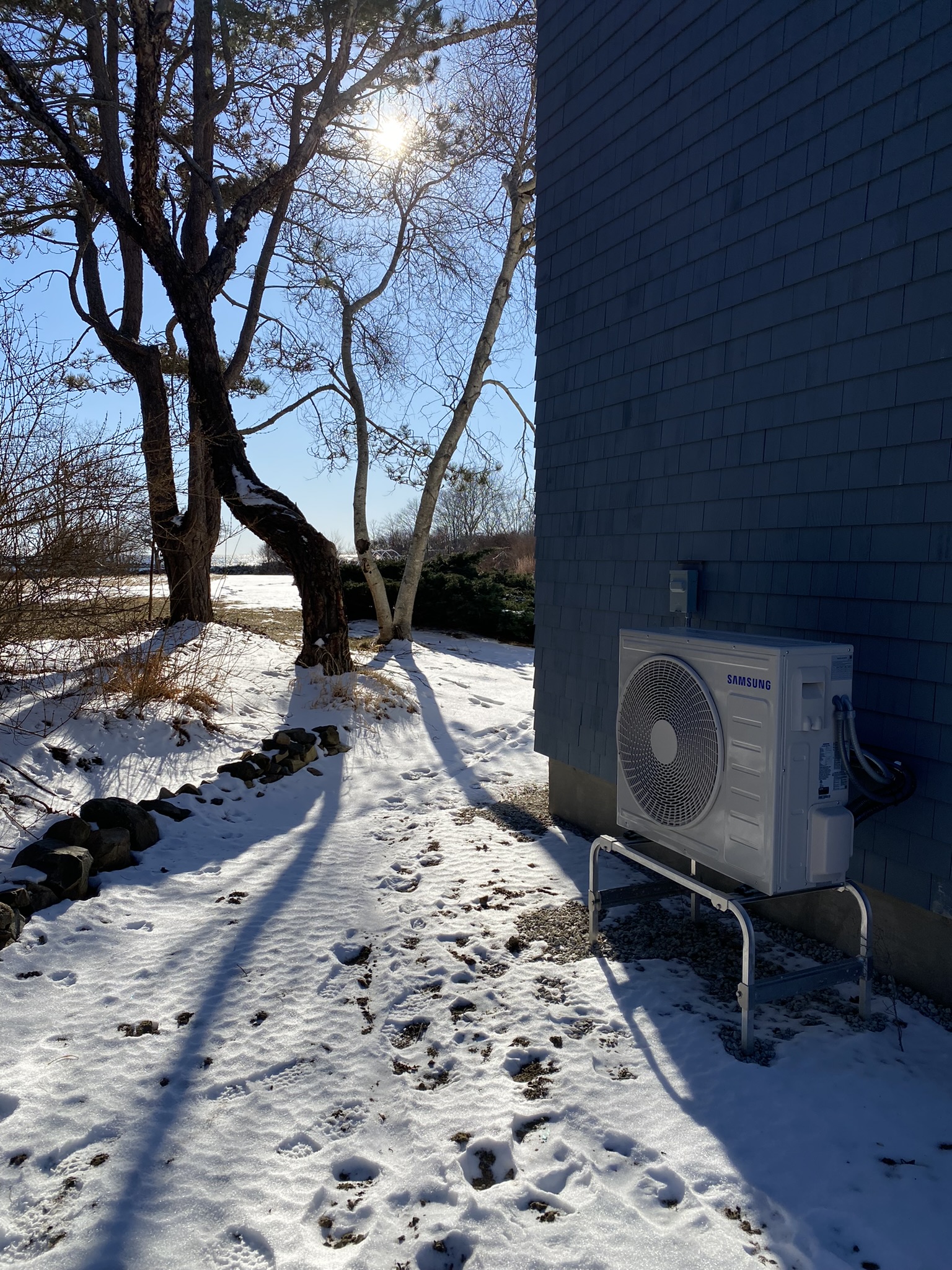
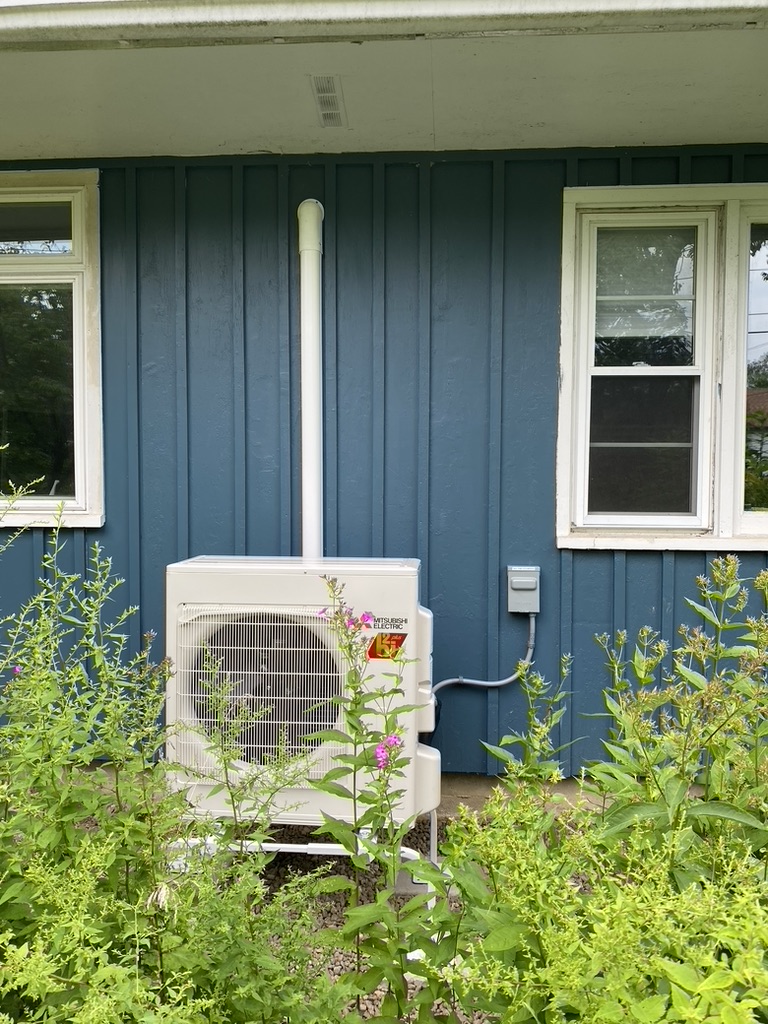
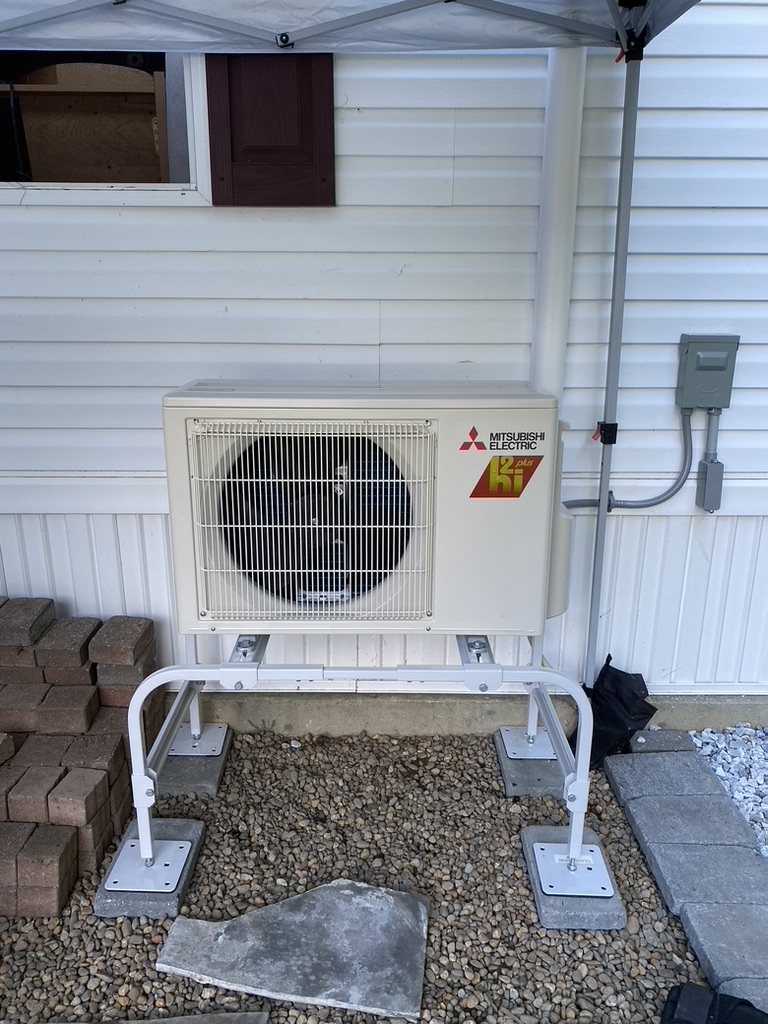
Installs across the Seacoast.
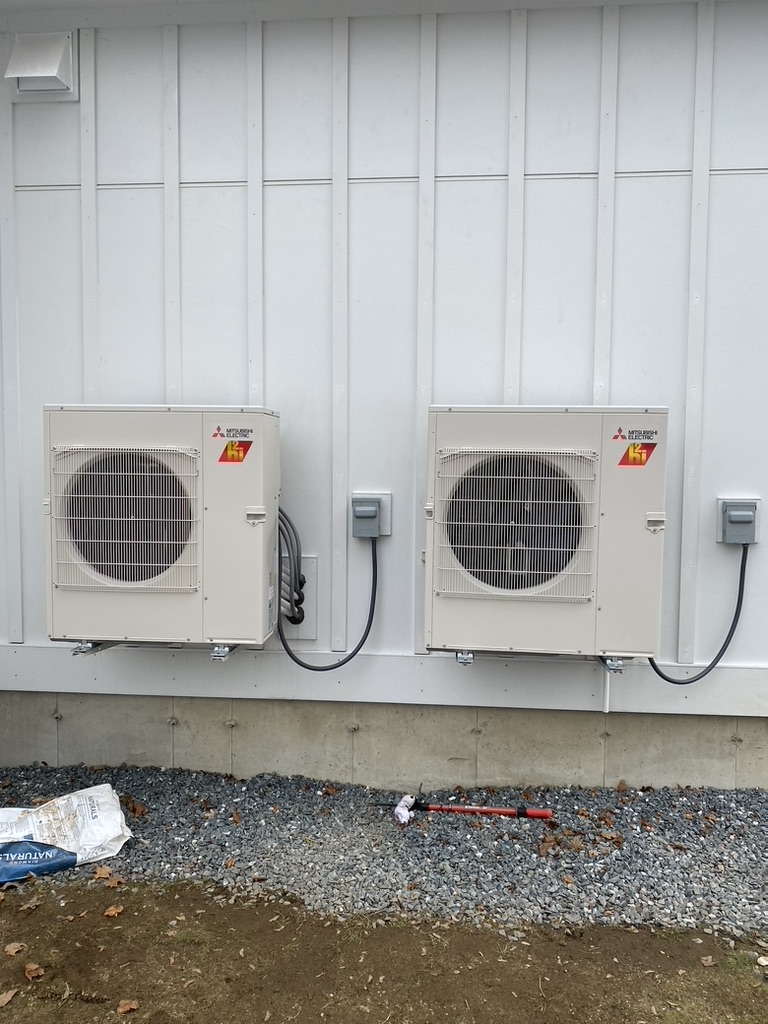
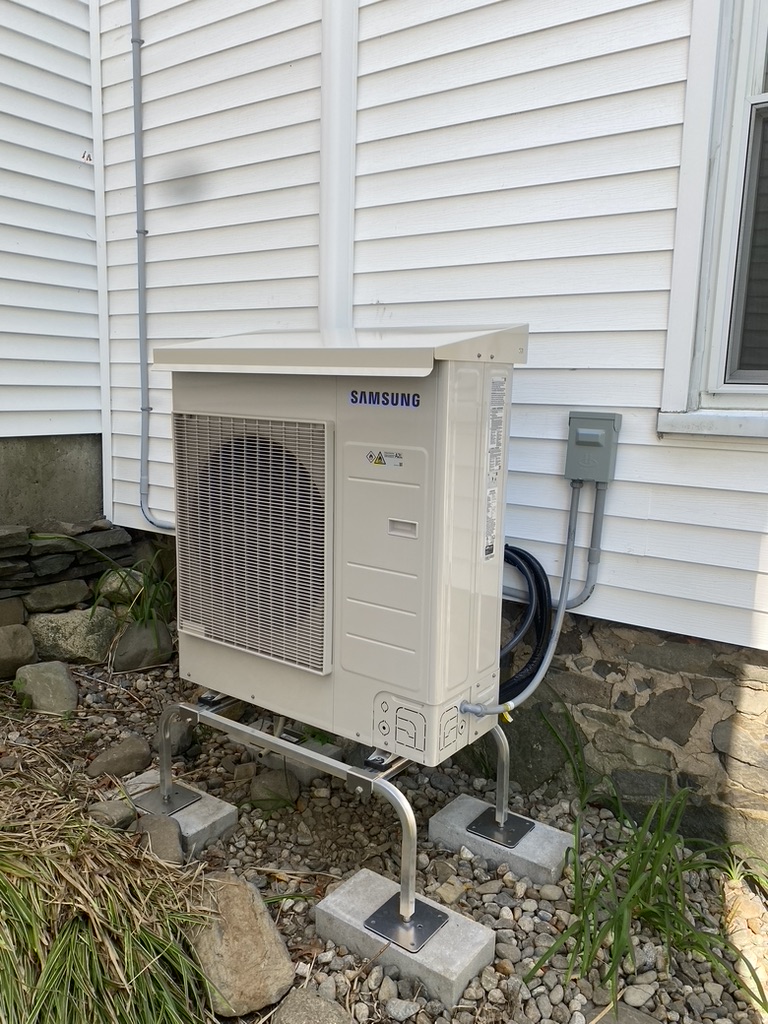
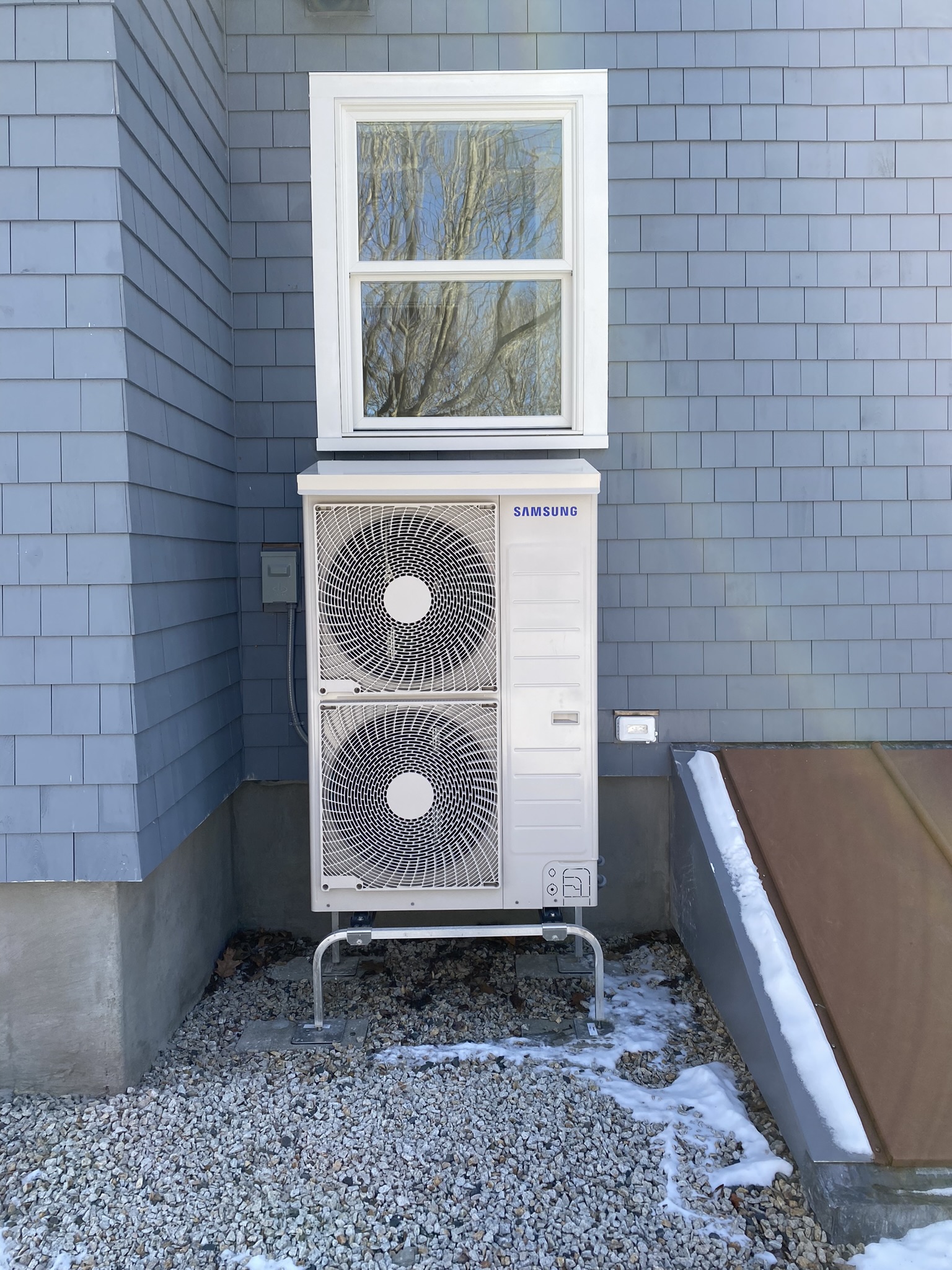
WHAT HOMEOWNERS SAY
Warm homes. Happy homeowners.
A local architect recommended Seacoast Heat Pumps to plan out heat pump needs for our 30 year old house. Kyle came within days and presented several solutions to cool and heat our open concept layout. Within three weeks the two heat pumps were installed and functioning, as designed. Kyle was not only professional and responsive, but also approached the project with care to incorporate the interior & exterior units with the overall design and aesthetics of our house. I highly recommend Seacoast Heat Pumps!
Kyle is a great guy, extremely knowledgeable, interested and interesting. He came over on pretty short notice to maintain a mini-split system in a garage apartment I have. Really appreciate the responsiveness and professionalism!
FREE CONSULTATION
Ready for a smarter way to heat & cool?
Tell us about your home, your current system, and what’s bugging you. We’ll come out, do a proper walk-through, and put together a clear written proposal — no pressure, no fine print.
Or call us direct
(603) 397-9938